What Makes the 9mm Luger the Most Versatile Handgun Round?
Buy 9mm Ammo Now: Top Brands & Bulk Deals for Immediate Shipping
Imagine loading your pistol at the range, the familiar click of a 9mm round seating into the chamber promising a smooth, manageable shot. This round works by igniting a small primer charge to burn propellant, which expands gas to push a 124-grain bullet down the barrel at around 1,150 feet per second. Its key benefit is a perfect balance of low recoil and reliable stopping power, making it ideal for quick follow-up shots and extended practice sessions. For best results, simply seat the cartridge fully into the magazine, rack the slide, and fire—keeping your grip firm and your sight aligned.
What Makes the 9mm Luger the Most Versatile Handgun Round?
The 9mm Luger earns its versatility through an unmatched balance of pressure, bullet weight, and case capacity. Unlike larger calibers that punish the wrist or smaller ones that lack punch, this round cycles reliably in everything from compact pocket pistols to race guns. You can load a 115-grain jacketed hollow point for rapid defensive drills, then switch to a 147-grain subsonic load for a suppressed carbine without changing recoil springs. That flexibility means one ammunition type serves home defense, competition, and wilderness backup. The 9mm Luger’s genius is its ability to perform across .338 Lapua Ammo for Sale a spectrum of velocities and bullet designs.
A shooter can carry one gun for every role simply by swapping the box of 9mm ammo.
The case walls are thick enough for hot loads yet short enough for flawless feeding, making it the round you grab when you don’t know what the day demands.
The Anatomy of a 9mm Cartridge and How Each Part Affects Performance
The 9mm cartridge’s versatility stems from its four interdependent components. The case dimensions and wall thickness dictate peak pressure limits, influencing bullet velocity and reliable chambering. The primer’s sensitivity determines ignition consistency across varying temperatures, which directly impacts shot-to-shot accuracy. Powder charge weight and burn rate shape the pressure curve, balancing recoil impulse against muzzle energy for defense or competition loads. Bullet weight and profile affect ballistic coefficient and penetration depth; a 115-grain flat-point expands readily, while a 147-grain round-nose penetrates barriers more effectively. Finally, crimp tension—the case neck’s grip on the bullet—prevents setback during feeding, ensuring consistent chamber pressure and preventing dangerous over-pressure spikes that degrade performance.
Why This Caliber Balances Recoil, Stopping Power, and Magazine Capacity So Well
The 9mm Luger’s enduring dominance hinges on its optimal balance of terminal performance and shootability. Its recoil impulse is sharp but Ammunition for Sale manageable, allowing for rapid follow-up shots without the muzzle flip of larger calibers. This directly enables better shot placement, which is the true driver of stopping power. Simultaneously, the round’s compact cartridge case permits a double-stack magazine to hold 15–18 rounds in a grip that still fits most hands. This trifecta works in sequence: controllable recoil preserves accuracy, accurate fire maximizes the 9mm’s penetration and expansion, and the high capacity ensures you have enough rounds to exploit that accuracy under stress. The result is a practical system where every factor reinforces the others.
How to Choose the Right 9mm Load for Self-Defense vs. Target Practice
Choosing between defensive and practice 9mm ammo hinges on **matching the bullet’s purpose to the scenario**. For self-defense, select a jacketed hollow point (JHP) like Federal HST or Speer Gold Dot, typically in 124 or 147 grain, because it expands reliably in soft tissue and penetrates 12–18 inches. For target practice, use full metal jacket (FMJ) rounds, such as 115-grain ball ammo, which are cheaper, feed reliably, and cause less barrel wear. Ensure your practice FMJ mimics the recoil impulse and point-of-aim of your carry JHP by selecting the same grain weight and velocity. Verify your 6.8 SPC Ammo for Sale firearm cycles your chosen defense load reliably before trusting it.
Shoot at least 200 rounds of your defensive JHP to confirm function, then use FMJ for volume training to preserve budget.
Avoid mixing +P loads for routine practice, as higher pressure accelerates parts fatigue; reserve those for carry and occasional function checks.
Comparing Full Metal Jacket, Hollow Point, and Specialty Defensive Rounds
Comparing Full Metal Jacket, Hollow Point, and Specialty Defensive Rounds hinges on terminal performance versus penetration barriers. For self-defense, 9mm hollow point expansion dynamics create a larger wound cavity while reducing over-penetration risk, unlike FMJ’s rigid structure that passes through targets. Specialty defensive rounds—such as frangible or bonded-core jacketed hollow points—address specific scenarios like close-range barrier encounters or flash suppression. Target practice demands FMJ for reliable feeding, lower cost, and predictable recoil, whereas defensive loads prioritize controlled expansion and consistent weight retention through clothing or drywall. The logical trade-off: train with FMJ for mechanics, but validate your chosen defensive round’s point-of-impact shift and function in your specific pistol before carrying it.
- FMJ offers penetration but no expansion; ideal for range drills only.
- Hollow points expand reliably in soft tissue, but check performance through heavy clothing.
- Specialty rounds like bonded or +P variants solve niche issues such as barrier penetration or recoil management.
- Always verify your defensive round feeds in your magazine—length differences matter.
Understanding Bullet Grain Weights and Their Effect on Muzzle Velocity and Accuracy
Bullet grain weight directly dictates the muzzle velocity and recoil impulse of your 9mm load. Lighter projectiles, such as 115-grain rounds, accelerate faster, producing a flatter .32 ACP Ammo for Sale trajectory and snappier recoil, which suits rapid follow-up shots in target practice. Heavier 147-grain loads move slower, yielding a softer, push-like recoil that allows for greater shooter control. For self-defense, this weight shift is critical because bullet grain weight balances penetration depth with expansion reliability. A 124-grain round offers a pragmatic middle ground, delivering consistent velocity and accuracy across most barrel lengths. Heavier grains also maintain energy better at longer distances, though they may drop more sharply. Test both spectrums to see which weight groups tightest in your pistol, as individual barrel twist rates will ultimately determine your best accuracy.

What to Look For When Buying Bulk 9mm for Range Sessions
When buying bulk 9mm for range sessions, prioritize consistency in bullet weight—stick to 115 or 124 grain to match your zero and recoil impulse. Check that the cartridge overall length feeds reliably in your specific pistol, as bulk lots sometimes vary. Inspect the primer seating depth and case mouth crimp on a few random rounds; reject lots with visible dents or corrosion that can cause malfunctions. Choose full metal jacket rounds with a clean-burning propellant to minimize fouling, which matters when firing hundreds of rounds. Verify the muzzle velocity stays within published specs, since inconsistent powder charges shift point of impact. A slight variance in accuracy is acceptable for practice, but chronic stovepipes or light strikes waste your time and money. Finally, sample fifty rounds before committing to a full case to confirm your gun cycles them flawlessly.
Brass Case vs. Steel Case and How It Impacts Your Firearm’s Reliability
When buying bulk 9mm for range sessions, the brass-versus-steel case choice directly affects how reliably your firearm cycles. Brass cases are softer and spring back to spec after firing, providing superior extraction and consistent chamber sealing, which minimizes malfunctions like stovepipes or double-feeds in tight-tolerance pistols. Steel cases, often polymer-coated, lack this elasticity; they can expand and stick in a hot chamber, especially in guns with rougher feed ramps or weaker extractors. This increases the chance of failure-to-extract stoppages during rapid fire. Additionally, steel’s harder surface accelerates wear on .32 Win Special Ammo for Sale your extractor and ejector over thousands of rounds, while brass’s lubricity protects those critical parts. For maximum reliability in a bulk purchase, prioritize brass unless your firearm is explicitly rated for steel-case use.
Brass cases ensure reliable extraction and less wear, while steel cases risk sticking and accelerate part fatigue—choose brass for consistent range-session function.
Reading Box Labels to Identify Low-Flash, Reduced-Reoil, or High-Pressure Loads
When scanning bulk 9mm boxes, train your eyes on https://specialtysportsandsupplyltd.com/ the fine print to separate range-friendly loads from problematic ones. Look for explicit terms like “Low Flash” or “Reduced Recoil,” which signal softer-shooting, night-vision-preserving rounds—ideal for rapid follow-ups. Conversely, high-pressure loads often hide behind “+P” or NATO markings; these spike slide velocity and muzzle blast, accelerating part wear. Check the muzzle velocity and pressure specs printed on the label—low-flash primers are usually listed, while “clean-burning” hints at reduced fouling. Avoid vague “tactical” wording without numerical data.
- “Low Flash” printed near the primer compound indicates suppressed muzzle glow for dusk drills.
- “Reduced Recoil” and a lower ft-lbs figure (e.g., 280 vs. 350) confirm a softer impulse.
- “+P” or “NATO” on the headstamp or box signals high-pressure—skip it for prolonged range sessions.
How to Identify the Best 9mm Ammo for Your Specific Handgun
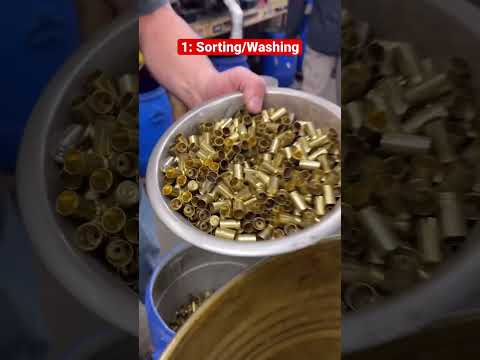
To identify the best 9mm ammo for your specific handgun, first consult the firearm’s manual for the recommended bullet weight—typically 115, 124, or 147 grains—and test each in your barrel to confirm reliable feeding and ejection. Check the rifling twist rate and chamber throat; a 1:10 twist often stabilizes heavier rounds better, while tighter throats may choke on flat-nosed or coated projectiles. Function over velocity is the rule: shoot a mix of jacketed hollow points and FMJs through your gun, noting any failure 6.5x57R Ammo for Sale to return to battery or primer strike anomalies. Q: Should you match ammo to your gun’s recoil spring? A: Yes—stiffer springs pair with hot +P loads, while stock springs prefer standard pressure for consistent slide cycling. Finally, examine fired cases for excessive primer flattening or extractor marks, which indicate pressure spikes, then settle on the load that produces tightest groups and cleanest extraction.
Matching Ammunition to Barrel Length for Optimal Performance
Barrel length directly dictates how much of a 9mm cartridge’s powder burn is converted into projectile velocity. A compact handgun with a 3.5-inch barrel will see incomplete combustion, so select fast-burning powders found in defensive loads like 124-grain +P rounds, which achieve reliable expansion at lower speeds. Conversely, a 5-inch competition barrel allows slower-burning powders to fully ignite, making standard-pressure 147-grain loads flatter-shooting and more accurate. Always verify your specific barrel length against the manufacturer’s velocity data, since a round designed for a long barrel can underperform—producing weak cycling or unburned residue—in a subcompact. Test at least three loads across your gun’s actual length, checking for point-of-impact shifts and slide lock-back consistency, before settling on your carry or match ammunition.

Q: How does a shorter 9mm barrel affect ammunition performance?
A: A 6.5x57mm Mauser Ammo for Sale shorter barrel reduces dwell time for gas expansion, lowering muzzle velocity by roughly 50–75 feet per second per inch lost. This can cause hollow-point bullets to fail expanding, so prioritize loads explicitly engineered for short barrels, such as those with a softer lead core or an optimized propellant burn rate.
Testing Different Brands to Find the Most Consistent Feeding and Ejection Cycle
To isolate the best performer for your handgun, buy a single box each of five or six reputable 9mm loads—varying bullet weight and casing material—and fire them from a rested position without cleaning the gun. Track every failure to feed, failure to eject, or slide-lock early, noting whether the issue repeats with the same brand. Consistent feeding and ejection cycles appear when a brand cycles flawlessly across 200+ rounds with mixed magazine types and grip pressures. Ignore muzzle flash and recoil perception here; only the mechanical rhythm of slide travel matters. Discard any brand that stovepipes twice, then retest the finalists in a cold, dirty gun to confirm reliability under real carry conditions.
Testing multiple brands side-by-side, with meticulous failure tracking and repeated dirty-gun runs, reveals which 9mm load delivers a flawless, repeatable feeding and ejection cycle for your specific handgun.
Practical Tips for Storing and Maintaining Your 9mm Supply
Store your 9mm ammo in a cool, dry place with stable temperatures, ideally below 75°F, to prevent propellant degradation and primer sensitivity. Keep rounds in their original factory boxes or airtight, moisture-proof ammo cans with silica gel packets—humidity is the quiet destroyer of brass, causing case corrosion that can 6.5×55 Swedish Ammo for Sale lead to feed failures exactly when you need reliability. Rotate your stock by date, using the oldest 9mm first, and inspect every cartridge visually before loading for dents, cracks, or green patina on the case mouth. For long-term storage, avoid elastic magazines that compress the feed lips; instead, load fresh magazines monthly to preserve spring tension. Wipe down exposed rounds with a lightly oiled cloth—never soak them—to add a microscopic barrier against oxidation, but keep the primer and bullet clean to ensure consistent ignition. Test-fire a small sample from each storage batch every six months to confirm powder and primer integrity, and immediately discard any cartridge that fails to chamber or extracts smoothly.
How to Keep Cartridges Safe from Moisture and Temperature Swings
To keep 9mm cartridges safe, prioritize a stable environment where humidity stays below 50% and temperature avoids rapid swings. Store ammo in sealed, airtight containers with desiccant packs, which actively absorb moisture that can corrode brass and degrade primers. For long-term storage, add a hygrometer to monitor conditions, and never leave rounds in a hot car or direct sunlight, as extreme heat can alter powder burn rates. A cool, dark closet or basement shelf works best, but avoid concrete floors that wick dampness. Stable ambient temperature control matters more than cold storage, so avoid refrigerators, which create condensation. Rotate stock periodically to check for corrosion or green patina on casings.
Q: How can I protect 9mm cartridges from humidity without a safe?
Place ammo in a sealed plastic ammo can with two or three silica gel packs, then store it off the floor in a climate-controlled room. Recharge the desiccant monthly by baking it dry, and check .35 Remington Ammo for Sale the can’s seal for cracks every few months.
Signs of Ammo Deterioration You Should Never Ignore

Ignoring signs of ammo deterioration can turn a range trip into a catastrophic malfunction. Check every cartridge for corrosion, which appears as green or white crust on the primer or case mouth; this compromises the seal and invites moisture. Never shoot rounds with cracked necks, bulged cases, or loose primers that wiggle under fingertip pressure. Dented or severely tarnished cases may fail to extract, while a powdery white residue inside the box signals propellant breakdown. Discard any round that smells acrid or feels greasy, as that indicates chemical leakage. Sequence for inspection:
- Visual scan under bright light for discoloration or pitting.
- Run a fingernail over the case for rough spots or flaking.
- Shake each round; a rattling bullet or primer means immediate disposal.
Trust your eyes and hands—never fire questionable 9mm.
Common 9mm Ammo Problems and How to Avoid Misfires, Jams, or Squibs
Most 9mm ammo problems trace back to either bad primer seating or inconsistent powder charges, which show up as clicks instead of bangs. If you feel a light strike, don’t immediately rack the slide—wait ten seconds, keep the muzzle downrange, and try firing again; a hang-fire can still go off. To avoid jams, stick to quality factory rounds with round-nose profiles over flat-nosed defensive loads for range practice, since feed-ramp snags are the leading cause of stovepipes. Squibs, the most dangerous issue, happen when a case has no powder—listen for a weak “pfft” and stop shooting instantly if the slide doesn’t cycle fully. Inspect every round for case bulges or seated bullet depth before loading. Lubricate your extractor channel weekly, not just the slide rails. The nuance here: *a gun that runs dirty but consistent ammo beats a clean gun fed mixed headstamps every time.*
Why Factory-Loaded vs. Reloaded Ammo Differs in Dependability
Factory-loaded 9mm ammo rolls off automated lines with rigorous quality checks, so every primer pocket is uniform and every powder charge is exact—that consistency is why you can trust a box of name-brand rounds without a second thought. Reloaded ammo, on the other hand, depends entirely on the person at the press; a slightly off crimp or a case that’s been resized too many times can turn a plinking session into a frustrating jam or a scary squib. Even experienced reloaders occasionally miss a weak primer or an overcharged case, which means you’re betting on human diligence instead of machine repeatability. For dependable defense or competition use, stick with factory loads; for cheap range fun, reloads work—but be ready for the occasional hiccup. Reloaded ammo consistency simply can’t match what a factory guarantees.
How to Inspect a Cartridge Before Loading It Into Your Magazine
Before loading your 9mm rounds, perform a visual and tactile cartridge inspection to catch defects that cause malfunctions. First, examine the primer—it must be seated flush with the case head, with no strike marks or cratering, indicating a previously fired or dangerously over-pressure round. Check the case mouth for cracks, dents, or splits, and run a fingernail across the rim to detect burrs that impede chambering. Next, confirm the bullet is crimped securely and seated to the correct overall length; a bullet pushed too deep increases pressure, while one set too long fails to headspace. Finally, gently shake each cartridge—a loose powder rattle signals a partially filled case, a precursor to squib loads or weak ignition. Reject any damaged round immediately; do not attempt to fire it.
- Inspect primer seating and condition.
- Assess case integrity for cracks, dents, or rim burrs.
- Verify bullet seating depth and crimp tightness.
- Shake to check for consistent powder charge.