The historical evolution of gambling From ancient rituals to modern entertainment
The historical evolution of gambling From ancient rituals to modern entertainment
The Origins of Gambling in Ancient Civilizations
The roots of gambling can be traced back to ancient civilizations where games of chance were intertwined with religious and social practices. In Mesopotamia, clay dice dating back to 3000 BC demonstrate that people were already engaging in games of luck. These early forms of gambling often had ritualistic components, where the outcomes were believed to be influenced by divine forces. This connection between gambling and spirituality laid a foundation for its acceptance in various cultures. Today, players can explore this connection further through platforms like https://royal-oak-casino.co.uk/, where ancient practices can still resonate in modern gaming.
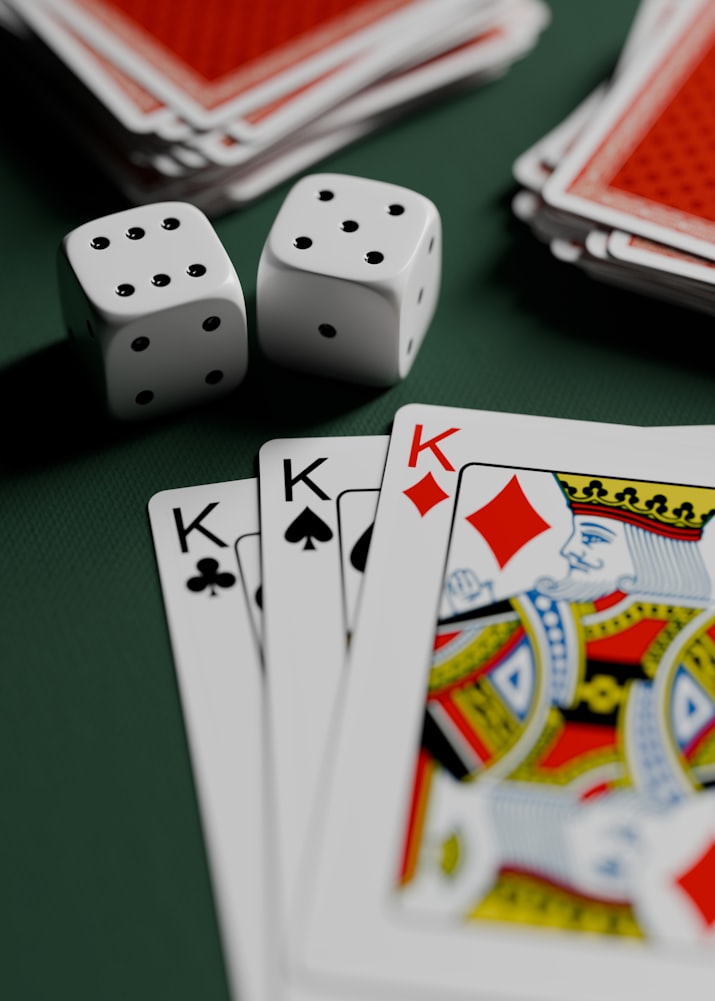
In ancient China, gambling evolved significantly with the invention of paper and playing cards around the 9th century AD. The Chinese used these cards for games that involved risk and strategy, echoing the complex nature of gambling that would later develop. Similarly, in ancient Rome, the populace engaged in betting on gladiatorial games and chariot races, establishing public gambling as a form of entertainment that brought communities together. Such practices showcased gambling as not only a game of chance but also a social event.
The Greeks contributed to gambling’s evolution through their development of gaming devices, such as the knucklebones, which were akin to dice. These games were often played during festivals, indicating a blend of leisure and cultural significance. The acceptance of gambling in these societies set the stage for its growth in popularity and its eventual emergence as a structured form of entertainment, paving the way for what we know today.
The Evolution Through the Middle Ages
The Middle Ages saw a transformation in gambling practices, largely influenced by the socio-political dynamics of the time. As kingdoms rose and fell, so did the popularity of various games. In Europe, card games became increasingly popular, giving rise to modern games such as poker and blackjack. These card games were often associated with the nobility, who played for stakes that reflected their wealth and status.
However, gambling during this period was often met with suspicion and disapproval from the church and government. Many regions imposed strict regulations or outright bans on gambling activities, fearing that they would lead to moral decay. Despite this, underground gaming houses began to emerge, indicating that the desire to gamble could not be easily suppressed. Such defiance highlighted gambling’s deep-rooted appeal and paved the way for its eventual acceptance.
As the Renaissance blossomed, so too did gambling. The introduction of lotteries was a significant development, providing a state-sanctioned means of betting that funded public projects. This not only legitimized gambling but also made it accessible to a broader audience. The combination of regulation and public participation during this period set the stage for the modern gambling landscape, where entertainment and risk were increasingly intertwined.
The Rise of Modern Gambling in the 19th Century
The 19th century marked a pivotal point in the evolution of gambling, characterized by the establishment of formal gaming establishments. The first casino, which opened in Venice in the 1638, laid the groundwork for the grand casinos that would emerge in cities like Monte Carlo and Las Vegas. These venues became synonymous with luxury, attracting high rollers and everyday gamblers alike, creating a vibrant atmosphere that defined modern gambling.
This era also witnessed the proliferation of sports betting, particularly in horse racing, which became a national pastime. The introduction of betting tracks and the establishment of regulatory bodies helped to legitimize these activities, fostering a culture of responsible gambling. As cities expanded, so did the accessibility of gambling, with establishments popping up to cater to a growing demand. This growth reflected a societal shift, where gambling was increasingly viewed as a leisure activity rather than a vice.
Technological advancements during this century further transformed gambling. The invention of the slot machine in the late 1800s revolutionized the gaming experience, making it easier for patrons to engage in games of chance. These machines brought an unprecedented level of accessibility, allowing individuals to play without needing to understand complex rules. This period laid the groundwork for the diverse gambling options available today, from traditional games to innovative online platforms.
The Digital Age and Online Gambling Revolution
The late 20th and early 21st centuries ushered in the digital age, profoundly impacting the gambling industry. With the advent of the internet, traditional gambling methods began to evolve into online platforms, making gambling accessible to a global audience. Online casinos emerged, offering various games ranging from slots to live dealer experiences, allowing players to enjoy the thrill of gambling from the comfort of their homes.
This transition was further accelerated by mobile technology, which enabled gamers to access their favorite casinos anytime and anywhere. With mobile apps and optimized websites, the gambling experience has become more user-friendly, catering to casual players and serious gamblers alike. The introduction of features like live streaming added an immersive element, bridging the gap between in-person and online gambling.
Furthermore, regulatory frameworks for online gambling have been established in many jurisdictions, ensuring player safety and promoting responsible gambling. The rise of cryptocurrencies has also introduced new dynamics, allowing for anonymous and secure transactions. This innovation continues to shape the landscape of gambling, highlighting the industry’s adaptability to technological advancements and changing consumer preferences.

Exploring Online Gaming Platforms: A Modern Experience
As the online gambling industry continues to flourish, platforms like Royal Oak Casino represent the latest evolution in gaming experiences. With a wide range of options, including slots, table games, and live dealer experiences, modern casinos cater to diverse player preferences. These platforms provide an extensive selection of games, ensuring that both casual players and avid gamblers find something suited to their tastes.
Security and player safety are paramount in this digital age. Established outside traditional regulations, platforms like Royal Oak Casino prioritize creating a safe gaming environment with robust security measures. Players can enjoy a worry-free experience, knowing their information is protected while they engage in their favorite games.
Moreover, promotional offers, including welcome bonuses and free spins, enhance the gaming experience, making it even more enticing for newcomers. The emphasis on mobile optimization further allows users to access these platforms seamlessly from their devices. Overall, the modern online casino experience exemplifies the culmination of centuries of gambling evolution, offering innovation and exceptional service to players worldwide.